
Rainwater Harvesting: How to Protect Your Pump and Appliances When Tank Levels Get Low
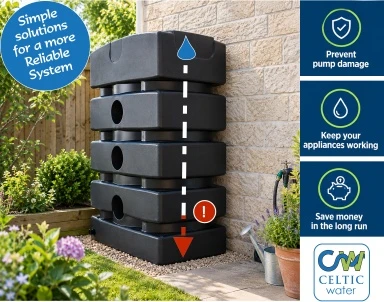
Harvesting rainwater for domestic activities like washing clothes, flushing toilets and irrigating gardens is getting more popular these days - and with good reason. Once set up, it’s a relatively free resource, with just the cost of running and maintaining the system going forward. In general, these costs are relatively low, but they can become costly if one of the simplest things is overlooked – allowing the water level in the tank to get too low. So what are the pitfalls of letting your tank get too low, and how can you avoid them.
Running out of water for daily activities
Sounds obvious, right?... but flushing toilets and washing clothes are things we take for granted. But if you’re supplying your appliances with harvested rainwater, then running out of water will result in them simply not functioning correctly.

Take your washing machine, for example. If your washing machine loses water mid-cycle, it will soon run into problems. Things like sitting on pause with all your lovely washing inside, failing to complete the wash or rinse cycle, getting stuck on error codes while you try to figure out how to fix them, or worse. If your washing machine continues to run without enough water, it could end up damaging the clothes you’re washing and potentially the machine as well.
So, how can you avoid running out of water in your Rainwater Harvesting System?
The easiest way to avoid running out of water is to install a Mains Water Top-Up Controller. This relatively simple device monitors the water level inside the tank, and when it falls below a ‘safe’ level, it automatically switches on a supply of mains water to top up the tank. When a safe level of water is achieved, the controller switches off the mains top-up supply, so it only uses enough mains water to keep the system safe, while you wait for more rainwater to arrive.
Mains water top-up controllers can be fitted either at installation of the system or retrospectively and are a great way to automatically protect both the rainwater harvesting system as well as the appliances it serves. (Read more about our top-up controllers for Automatic Pumps or top-up controllers for Manual Pumps)
Damaging the pump in your Rainwater Harvesting System
If you're using collected rainwater to supply taps, washing machines, toilets, etc., then you’re most likely employing an automatic pump to move the rainwater from one place to another. As one of the critical elements of the system, you’ll probably be wanting to look after your pump, but what happens to it when the water in your tank gets too low…
It may fall into Dry Run Protection mode.
Many automatic pumps have dry-run protection built-in, which is good, but it’s not a fail-safe.
You see, when an automatic pump detects a lack of water, it turns itself off - great! HOWEVER, it usually then switches into dry-run protection mode and tries to restart, looking for water. If no water is found, the pump stops again but continues to attempt to restart intermittently, as it proceeds to look for water. If left in this state for a prolonged period of time, it can eventually overheat, causing damage to the components inside. So, what can you do to prevent this?
Use a Float switch to stop your pump from running when the water level gets too low.
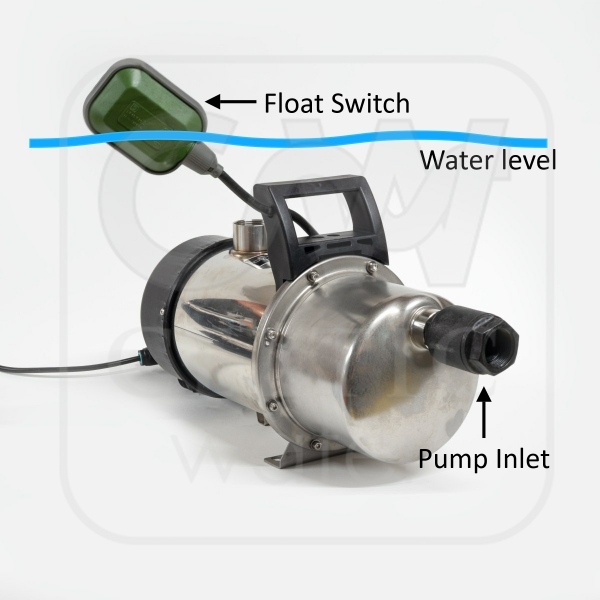 Fitting a float switch to your pump is a great way to prevent it from trying to run when the level in your tank is too low. A float switch, as the name suggests, floats in the surrounding water in the tank. As the water level gets lower, the float switch detects the change in its position, and when it exceeds the minimum level needed to keep the pump safe, it switches it off. It will continue to prevent the pump from running until the water level rises enough to raise the float switch back to a ‘pump-safe’ level, at which point it allows the pump to run once again.
Installing a float switch is a low-cost way of protecting your pump. Some automatic pumps come with float switches already attached, but if not, a float switch can be fitted separately and retrospectively. Float switches come in various sizes and designs, allowing them to be used in a variety of situations. (You can read more about float switches.)
Letting the pump get too hot while it’s running…
Some automatic pumps are designed to be kept cool while running by the water in the tank they’re immersed in. So if the water level in the tank is allowed to fall below the level of the pump, there is a greater chance of the pump overheating.
If the pump is designed to be cooled by the water that passes through it (rather than around it), it’s likely to do a little better in this situation; but if the water level continues to fall, it will eventually become too low to run the pump, forcing it back into dry-run protection (see above).
In both of the above situations, if left running long enough without enough water in the tank, these pumps are likely to overheat. The result of overheating will be damage to the pump, which at best, will need repairing or, at worst, will require a replacement pump.
Passing sediment to your downstream appliances
Rainwater harvesting systems should all be set up to filter collected water before passing it into the storage tank. Whilst this removes most of the debris from the water, over time, a fine layer of sediment can still build up on the bottom of the tank. If the water level drops very low, sediment can get picked up and pass on to downstream appliances and taps.
Avoiding sediment getting passed down your system
The first and most obvious way to prevent this is to keep your tank clean and don’t allow the water level in your tank to fall too low; but an extra precaution which is always advisable is to have a Floating Intake (also called Floating Suction kit) installed on your pump.
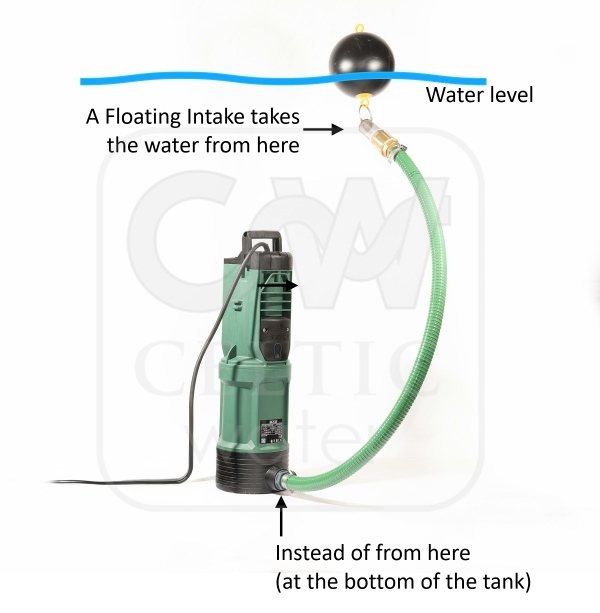 A Floating Intake consists of a long piece of hose which is attached to the inlet of the pump [inside the tank]. At the other end of the hose is a non-return valve followed by a mesh filter and float ball. The float ball is designed to float at the top of the water level, suspending the [inlet] filter just beneath it. This ensures that water going into the pump, is being taken from the cleanest part of the tank.
Floating intakes are again a cost-effective way to protect pumps and prevent unwanted sediment from being drawn downstream. (Find out more about how a floating intake can protect your pump)
Further Information
If you would like to discuss any of the topics covered in this article or if you would like help to protect your system, please contact our team – we’ll be happy to help.
Newest Guide & Blog Updates
Rainwater Harvesting: How to Protect Your Pump and Appliances When Tank Levels Get Low
Harvesting rainwater for domestic activities like washing clothes, flushing toilets and irrigating g...
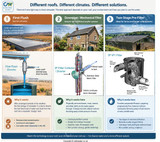
First Flush Diverter or Mechanical Filter? Choosing the Right Rainwater Filter in the UK
If you have been looking at rainwater harvesting, you may have come across the term “first flush”. I...
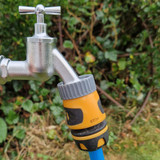
How to Connect a Hosepipe to a Water Butt Tap Using a Click-Connect Fitting
Connecting a garden hosepipe to the metal tap supplied with our decorative water butts is straightfo...
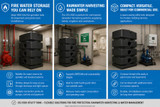
Why the 1500L Utility Tank Is Gaining Attention in Commercial Fire Water and Rainwater Harvesting Projects
The Rise of the 1500 Litre Fire Sprinkler Tank for Basement and Above-ground Installations As commer...

Earth Day 2026: Small Actions, Shared Power
Earth Day 2026 is centred on a powerful idea: Our Power, Our Planet. It’s about recognising that rea...

Award-Winning Float Switch for Water Level Control | MAC3 Key Green
We’re proud to share that the MAC3 Key Green float switch has been recognised as a winner at the pre...